Teeth Shifting as an Adult? Common Causes and What To Do
Key Takeaways
- Adult teeth shifting is commonly caused by gum disease, a missing tooth, grinding, natural aging, inconsistent retainer wear, or a combination of these reasons.
- Sudden or noticeable movement, especially with loose teeth or bleeding gums, requires prompt attention.
- When a missing tooth is driving the shift, replacing it, often with Thailand dental implants, can help halt further drift and protect your bite.
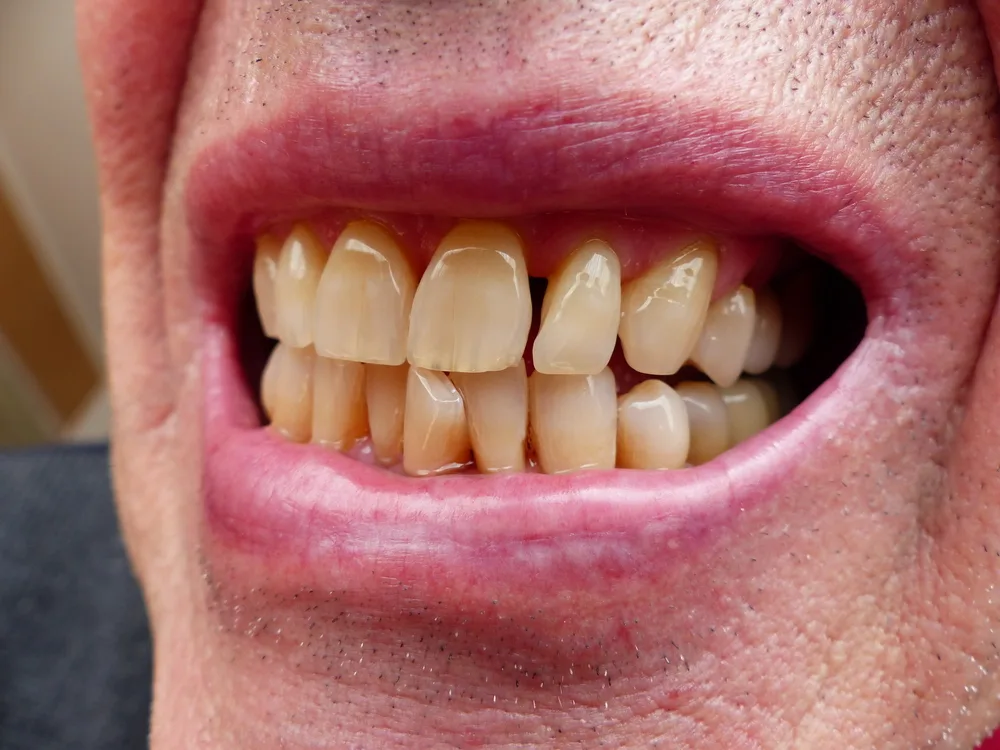
Have you noticed your front teeth shifting slightly out of alignment or a new gap in your teeth when you look in the mirror? The good news is, even though this may impair the appearance of your smile, tooth movement in adulthood is quite common and may not necessarily be cause for concern.
Below we dive into why your teeth may be shifting and when to schedule a professional evaluation with a dentist.
Why Are My Teeth Shifting as an Adult?
Teeth move for several reasons, and usually, more than one is at work. While some microscopic movement happens throughout life, noticeable shifting usually points to one of these causes:
- Advanced gum disease (periodontitis): Infection weakens the bone and ligaments that hold your teeth in place. As that foundation erodes, teeth can loosen, spread apart, or fan outward.
- An untreated gap from a missing tooth: Teeth rely on their neighbors for stability. When one is lost and not replaced, the teeth beside it gradually tilt into the empty space, disrupting the whole arch.
- Grinding or clenching: Repeated force, often during sleep, wears the teeth down and can push them out of position over time.
- Natural aging: As the jaw changes with age, the lower front teeth tend to crowd, which is why most adults notice teeth shifting here first.
- Bite changes: Worn, old, or missing dental work can change how your upper and lower teeth meet, altering how pressure spreads across the arch.
Why Do Teeth Shift After Braces?
Teeth shift after braces because of relapse. Once the braces come off, the tissues around each tooth keep adapting, so without something holding the corrected position, teeth drift back toward where they started. It is the single most common reason people notice movement in the years after orthodontic treatment. Here is how to keep it in check:
- Wear your retainer: A retainer holds the corrected position while the surrounding bone and ligaments stabilize, which is what keeps teeth from drifting back.
- Check the fit if teeth have moved: If your teeth have shifted since removing braces, a dentist or orthodontist can check whether your retainer still fits or whether you need further treatment.
- Do not force an old retainer: Never push a retainer onto teeth that have already moved, since a poorly fitting appliance can cause further problems.
What to Do If Your Teeth Are Shifting
The first step is a dental examination, which helps identify significant or sudden movement. Subsequently, your dentist will check your teeth, gums, bite, and the supporting bone. Based on the findings, he or she may recommend periodontal treatment, replacing a missing tooth, or orthodontic realignment. Here are a few things you can do to speed up your evaluation:
- Bring your retainer: If you have had orthodontic treatment, bring your current or previous retainer.
- Report related symptoms: Mention bleeding gums, loose teeth, or pain, since these point to causes your dentist should address first.
- Note when it started: Tell your dentist when you first noticed the movement and whether it is speeding up.
- Share your dental history: Flag past gum problems, missing teeth, or grinding, and bring old records or photos if you have them.
Can Missing Teeth Cause Other Teeth to Shift?
Yes, and it is commonly overlooked. When a tooth is lost and not replaced, the gap affects the balance of the dental arch. The teeth on either side begin to tilt inward toward the space. At the same time, the tooth above or below that used to directly bite against it can slowly grow out of its socket because it no longer has an opposing tooth to bite against. This is called over-eruption.
These changes affect how your upper and lower teeth meet, which can make chewing less comfortable and cleaning harder over time. In these situations your dentist may recommend dental implants to improve your bite and help prevent the surrounding teeth from shifting further.
Can Dental Implants Replace Missing Teeth?
A dental implant is one way to replace a missing tooth aside from a bridge or a denture. It is a small post placed into the jawbone that supports a crown on top, restoring both the visible tooth and the function of the one that was lost. Because it sits in the bone like a natural root, it can help maintain the arrangement of the teeth around the gap.
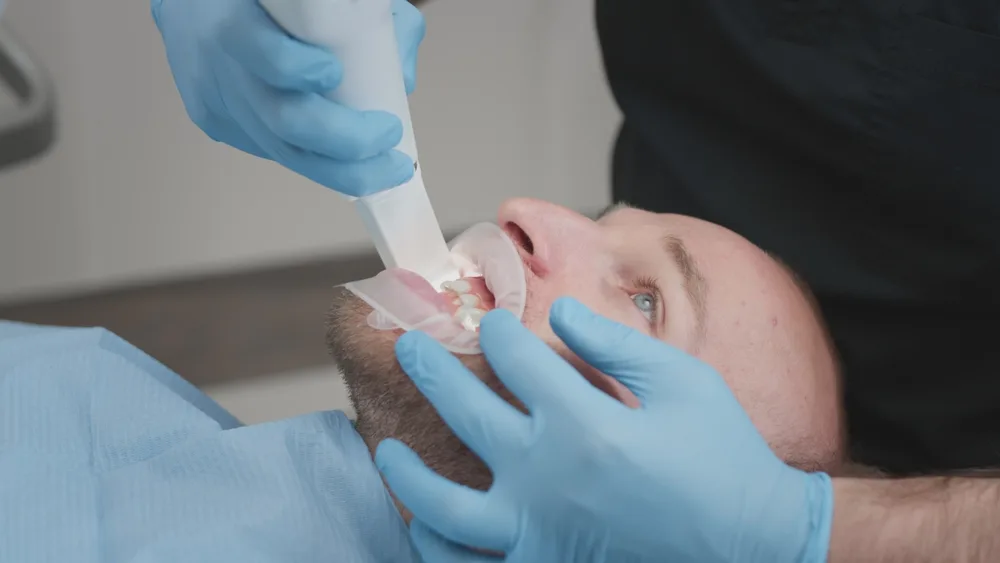
Suitability depends on the health of your gums, the volume and quality of available bone, your general oral health, and the position of the missing tooth. If you’re in Thailand, a dentist at SmileBox Dental Clinic can confirm whether an implant is appropriate and how much preparation you may need using 3D imaging.
Why Choose SmileBox Dental Clinic
At SmileBox, founders Dr. Vishesh Bhatia and Dr. Vikram Bhatia lead the team and explain every option, step, and cost up front. Before treating shifting teeth, we identify the cause of the movement first, whether that is gum disease, grinding, retainer relapse, or a missing tooth.
Here is what to expect, from the first consultation onward:
- Examination and plan: We check your teeth, gums, and bite, then set out an itemized treatment plan with clear prices.
- Treat the cause first: If gum disease or decay is driving the movement, we address that before any replacement.
- Digital planning: Any tooth replacement is mapped out with digital planning and 3D imaging.
- Targeted treatment: Depending on the root cause, we carry out your plan, whether that means deep periodontal care, clear aligners or retainers, or placing a dental implant and custom crown.
- Recall checkups: Follow-up visits help monitor the result and the surrounding teeth over time.
If a missing tooth is behind your teeth shifting, ask about Thailand dental implants for a long-term restoration option. Review your options and find the right fit for your smile. Book a consultation today.
SmileBox Dental Clinic runs two Bangkok branches, at Thonglor-Ekamai (Sukhumvit) and Riverside (Ratchapruek), with a dental team that covers implant, surgical, and orthodontic care for a wide range of dental conditions.
Disclaimer: *Individual results vary. Schedule a professional assessment for a detailed review of your case.
Contact SmileBox Dental Clinic
Phone : (+66)2-402-9542
WhatsApp : (+66)63-352-3691
Email : contact@smileboxclinic.com



References
- Periodontitis: Symptoms, Causes & Treatment. Retrieved October 30, 2026, from https://my.clevelandclinic.org/health/diseases/16620-periodontitis
- Malocclusion (Misaligned Bite): Types & Treatment. Retrieved October 30, 2026, from https://my.clevelandclinic.org/health/diseases/22010-malocclusion
- Periodontitis - Symptoms and Causes. Retrieved October 30, 2026, from https://www.mayoclinic.org/diseases-conditions/periodontitis/symptoms-causes/syc-20354473
- Malocclusions, Pathologic Tooth Migration, and the Need for Orthodontic Treatment in Subjects With Stage III-IV Periodontitis. Retrieved October 30, 2026, from https://www.ncbi.nlm.nih.gov/pmc/articles/PMC10389061/
Frequently Asked Questions About Adult Teeth Shifting (FAQs)
Some movement is normal as you age, but sudden shifting usually has a specific cause, such as gum disease, a missing tooth, grinding, or a changing bite. Because the cause decides the treatment, have a dentist check any movement that is noticeable or fast rather than waiting to see whether it settles.
Movement after braces usually means relapse, where teeth drift back without a retainer holding them. See your dentist or orthodontist so they can check whether your retainer still fits or whether further treatment is needed. Do not force an old retainer onto teeth that have already moved, as one that no longer fits comfortably can cause more problems than it solves.
Yes. A gap lets the neighboring teeth tilt inward, while the tooth that once bit against the missing one can slowly grow out of position. Over time this changes how your teeth meet and makes cleaning harder. Replacing the tooth helps keep the others in line and the bite working as it should.
Yes. Advanced gum disease, called periodontitis, damages the bone and tissue that anchor your teeth. As that support weakens, teeth can loosen, spread apart, or flare outward, often showing first as new gaps in the front teeth. Gum disease is the leading cause of adult tooth loss, so see a dentist promptly if shifting comes with bleeding or swollen gums.
Mild shifting over time is common, particularly crowding of the lower front teeth. The mouth keeps changing as the jaw ages, gums recede, and bite forces add up year after year. Gradual change is usually not a concern on its own. Significant crowding, new gaps, or loose teeth are worth evaluating to rule out an underlying cause such as gum disease.