Dental Implants in Thailand: Do They Hurt, and How Long Do They Last?
Key Takeaways
- Placement is done under local anesthetic, so most people feel pressure rather than sharp pain, with mild soreness for a few days afterward.
- A dental implant has three parts: the post, abutment, and crown, and works by fusing to the jawbone in a process called osseointegration.
- How long do dental implants last? There is no fixed lifespan. How long an implant lasts depends on your oral hygiene, gum health, smoking, bite forces, and regular check-ups.
- The implant post can continue working for a long time, while the crown on top may need to be replaced due to normal wear.
- Implants suit most patients with enough healthy bone, and a dentist at SmileBox Dental Clinic assesses your candidacy before any treatment.
If you are weighing a dental implant in Bangkok, two questions are usually asked before any procedure that involves your jaw and a healing period: will it hurt, and how long will it actually last? This guide covers what dental implants are, how long they tend to last, and what makes them safe, so you can walk into a consultation with a dentist at SmileBox Dental Clinic knowing what to ask.
What Are Dental Implants and How Do They Work?
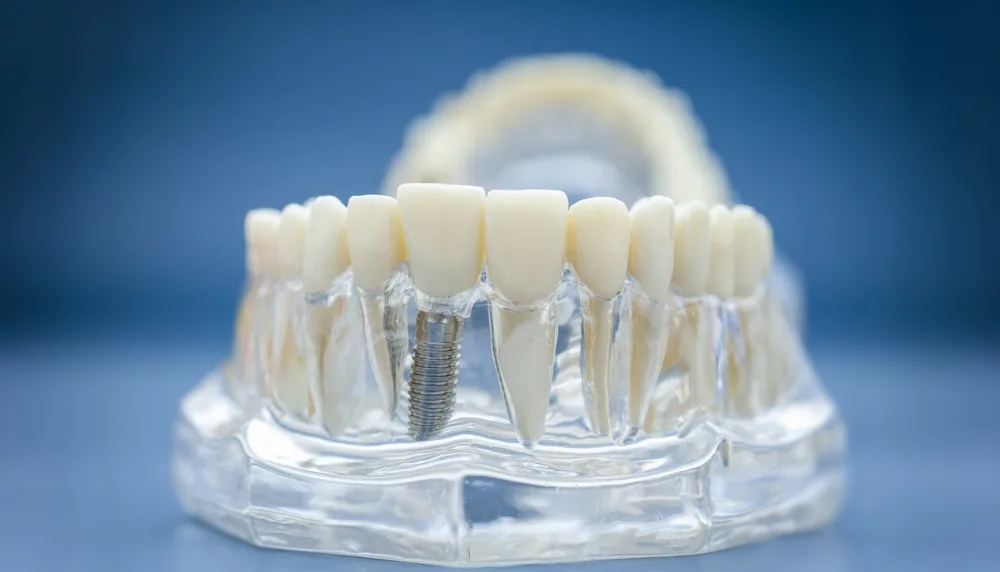
A dental implant is a small titanium post placed in the jawbone, where it acts as an artificial tooth root. It has three parts: the post that sits in the bone, the abutment that connects to it, and the crown, the visible tooth on top. After placement, the bone gradually fuses to the post over the following weeks. This process is called osseointegration, and it is what provides stability to a finished implant.
How Is a Dental Implant Different From a Bridge?
The main difference from a bridge or a denture is what gets replaced. A bridge or a denture only replaces the crown, the visible teeth, while sitting on the gums or anchoring to neighboring teeth. A dental implant also replaces the root, because the titanium post goes into the jawbone and acts as an artificial root. That root replacement is what makes an implant more stable and is why it’s often described as the closest option to a natural tooth.
Do Dental Implants Hurt?
The placement is done under local anesthetic, so the area is numb during the procedure, and most patients describe pressure rather than sharp pain. Afterward, some soreness, swelling, or mild discomfort for a few days is normal. It is usually manageable with the pain-relief plan your dentist gives you. If discomfort is severe or worsening rather than settling, contact your clinic for a follow-up.
How Long Do Dental Implants Last?
Dental implants are designed for long-term use, and there is no fixed expiry date stamped on them. How long yours lasts depends largely on your oral health and the oral care habits you practice. The factors that most affect the duration include how well you keep the area clean, the health of your gums, whether you smoke, the force your bite exerts on the implant, and whether you keep up with regular dental visits. Bone volume and density, and any nighttime grinding, known as bruxism, play a part too, which is why a dentist checks for these early on.
It is important to remember that the crown above and the post below age at distinct rates. The post may continue functioning for an extended period, whereas the visible crown will ultimately require replacement due to typical wear as part of standard maintenance.
Are Dental Implants Safe?
Implant treatment is a well-established procedure, and most of its safety depends on having an accurate diagnosis, sufficient healthy bone to support the implant, and an experienced dental team placing it.
Before any treatment starts, your dentist will assess whether you are a suitable candidate for dental implants. Conditions such as gum disease, uncontrolled health issues, and smoking can affect healing and may need to be managed first. In some cases, this means extra preparation before implant treatment can proceed. In others, implants may need to be postponed or may not be the right option. After a full assessment, your dentist will advise on the most appropriate treatment plan for you.
Why Patients Choose SmileBox Dental Clinic for Dental Implants
Choosing which clinic to have an implant placed comes down to the planning and the team behind it. SmileBox Dental Clinic is led by Dr. Vishesh Bhatia and Dr. Vikram Bhatia, and their implant work rests on a few specifics:
- Digital treatment planning. 3D CBCT scanning is used to check bone volume and map the implant position before any procedure begins.
- An experienced clinical team. Our dentists work across a range of implant cases, which shapes how carefully each patient’s candidacy and healing plan is assessed.
- Straumann implants. For patients who proceed with treatment, the clinic uses this Swiss-engineered system.
- Anxiety management. For anyone nervous about the procedure, virtual reality support and sedation options are available to help you stay comfortable during treatment.
If you want to understand your case, our team offers dental implant consultations in Bangkok that begin with a scan and an assessment of your options.

So, do dental implants hurt, and how long do they last? Placement is usually a matter of pressure under local anesthetic and a few days of mild soreness, not the ordeal many people picture. A well-placed implant that is properly cared for can serve you for many years. The only way to know what is right for your teeth is an assessment. Consult the dentists at SmileBox Dental Clinic about dental implants and a care plan tailored to your mouth.
Results depend on each individual’s condition and the dentist’s assessment. Please have a dentist’s assessment before treatment.
Contact SmileBox Dental Clinic
Phone : (+66)2-402-9542
WhatsApp : (+66)63-352-3691
Email : contact@smileboxclinic.com



References
- Dental Implants. Retrieved on 13 November 2026 from https://my.clevelandclinic.org/health/treatments/10903-dental-implants
- 40-Year Prognosis of Single-Tooth Dental Implants. Retrieved on 13 November 2026 from https://adanews.ada.org/huddles/40-year-prognosis-of-single-tooth-dental-implants/
Frequently Asked Questions About How Long Dental Implants Last
No sharp pain during the procedure itself. The area is numbed with local anesthetic, so most people feel pressure and movement rather than pain while the implant is placed. Afterward, mild soreness or swelling for a few days is normal and usually settles with simple pain relief medication.
There is no fixed lifespan. Implants are designed for long-term use, and how long yours lasts depends on your oral hygiene, gum health, smoking, bite forces, and regular check-ups. The post can last a long time, while the crown on top may need replacing at some point from normal wear.
For suitable patients, yes. It is a well-established procedure, and safety rests on an accurate diagnosis, enough healthy bone, and an experienced team. Conditions like gum disease, smoking, or uncontrolled medical issues are reviewed first, since they affect healing and candidacy.
That depends on your bone, gums, and general health, which a dentist checks before recommending treatment. Enough bone to support the implant and healthy gums are the main factors. If something needs attention first, your dentist will usually suggest addressing it before placement.
Treat it much like a natural tooth. Brush twice a day, clean around the implant with floss or an interdental brush, and keep up with regular check-ups and cleanings. If you grind your teeth at night, tell your dentist, since that extra force can wear the crown over time.
During healing, your dentist will usually suggest softer foods and chewing on the other side for a while. Once the implant has fused and the final crown is fitted, most people eat as they did before. Follow the specific guidance your dentist gives for your case.