Veneer Vs. Crown: What's the Main Difference, and Which Is a Better Fit?
Key Takeaways
- A veneer covers the front surface of a tooth. A crown covers the whole visible tooth.
- Veneers usually suit healthy teeth with cosmetic concerns. Crowns usually suit teeth that are cracked, heavily decayed, or treated with a root canal.
- How much a natural tooth remains matters more than appearance alone.
- For front teeth crowns vs. veneers, your dentist at SmileBox Dental Clinic confirms the right fit with an exam and, where needed, an X-ray.
A chipped front tooth, a stubborn stain, or a gap noticeable every time you smile raises the question: should you cover the front of the tooth or cap the entire tooth? Comparing veneers vs. crowns to determine which is the better fit depends on how much healthy tooth you still have.
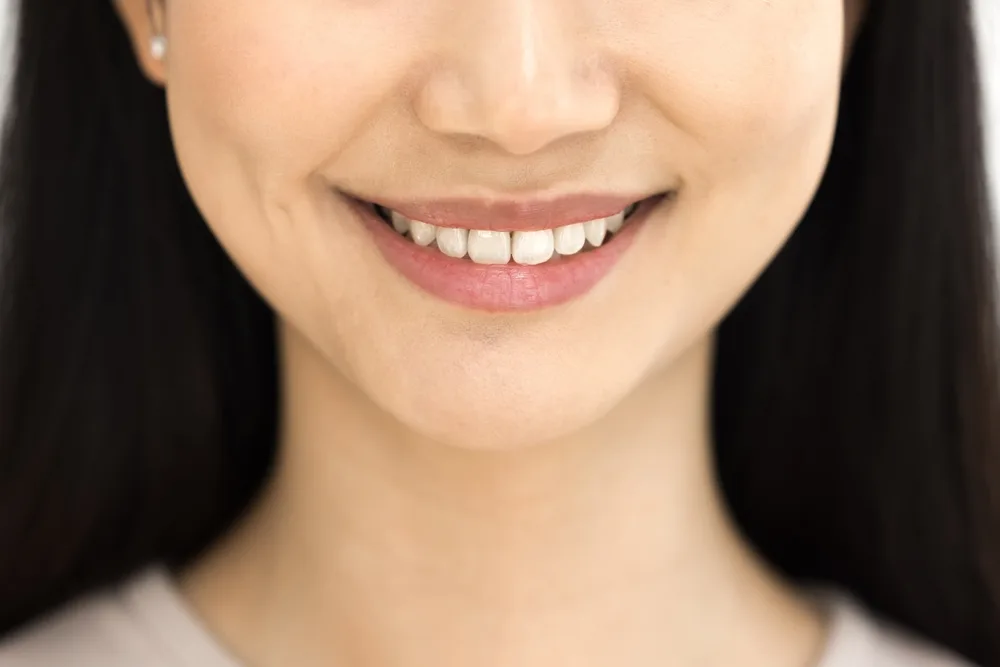
Both treatments are common in Bangkok clinics. If you are researching crown or veneer teeth prices in Thailand, ask first how much of your natural tooth is still sound, as that will affect the treatment and its cost. At SmileBox Dental Clinic, we use digital treatment planning, including 3D smile design software, iTero digital scanning, and CAD/CAM systems to help you preview a possible result for a veneer or crown before treatment begins.
What's the Main Difference Between a Veneer and a Crown?
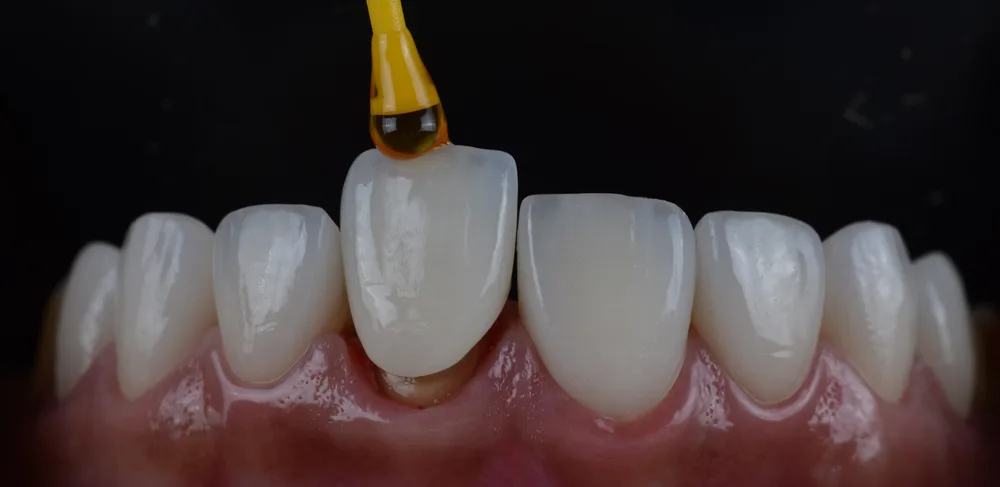
The main difference comes down to coverage. A veneer covers the front surface of a tooth, while a crown covers the whole visible tooth. Here are the main differences between them:
| Veneer | Crown | |
|---|---|---|
| What it is | A thin shell of ceramic (porcelain) or composite resin, bonded to the front surface of a tooth | A cap that fits over the entire visible tooth |
| Coverage | Front surface only | The whole visible tooth |
| Tooth reshaping | Usually a thin layer of enamel is removed, and a composite veneer may need less | More, because the whole tooth is shaped so the cap can slide over it |
| Main purpose | Mainly improves how a tooth looks | Protects and rebuilds a tooth that has lost structure |
| Often used for | Chips, gaps, or stains on an otherwise healthy tooth | Significant decay, a crack, or a tooth treated with a root canal |
Veneers vs. Crowns: How They Compare
Consider these points when shaping your decision:
- Both can be shade-matched and shaped to look natural. A veneer looks most natural when the tooth only needs surface correction.
- Material changes the experience. Ceramic veneers resist staining well, while composite veneers are easier to repair but stain and wear more easily.
- Cost and timeline depend on the material, the number of teeth, and the lab work involved. A composite veneer and a ceramic crown are very different cases, so ask your dentist what each estimate includes.
- Neither treatment lasts forever, and ceramic veneers are generally not reversible once the enamel is removed. Your dentist will explain what repair or replacement looks like for the material you choose.
Are Veneers or Crowns Better for Front Teeth?
The treatment depends on the tooth, not just its position. When weighing front teeth crowns vs. veneers, start with the condition of the tooth itself.
If the tooth is healthy and your concern is a chip, a gap, or a stain, a veneer is often the more conservative choice. If the tooth has significant decay, a large filling, or a past root canal, a crown may be the only option strong enough to hold up.
Front teeth also take less chewing force than back teeth, which is why veneers work well on the front when the tooth is sound. However, grinding, nail biting, or biting hard objects can still chip a veneer, so tell your dentist about those habits.
Which One Is the Better Fit for You?
Your dentist weighs several factors before recommending either option:
- How much natural tooth remains
- Whether your concern is cosmetic or structural
- Whether the tooth has had a root canal or major decay
- Any habit of grinding or clenching your teeth
- Your budget and timeline
A dentist usually verifies the proper fit through an exam and, if necessary, an X-ray. First, decay or gum disease must be treated, as bonding a veneer to an unhealthy tooth can exacerbate existing issues.
While consulting, inquire: Would a veneer suffice for this tooth? What if it requires more work down the line?
Why Choose SmileBox Dental Clinic
At SmileBox Dental Clinic, we aim to help you understand your choices before you select a treatment. Our dentists treat both cosmetic and restorative cases. Before we work on any tooth, we use digital treatment planning to help you preview a possible result for a veneer or crown.
We offer both ceramic and composite options, and your dentist recommends the material that fits your tooth and goals after an exam. Our distinctive VR solution for anxiety relief supports anxious patients throughout preparation and treatment.
Choosing between veneers and crowns depends on the amount of your natural tooth structure remaining. Schedule a consultation at SmileBox Dental Clinic, established by Dr. Vishesh Bhatia and Dr. Vikram Bhatia, where we will assess your tooth, discuss your options, and address your questions. If a tooth is too damaged to restore, we also offer replacement options, including dental implant treatment in Bangkok.
Contact SmileBox Dental Clinic
Phone : (+66)2-402-9542
WhatsApp : (+66)63-352-3691
Email : contact@smileboxclinic.com



References
- Difference Between Veneers and Crowns. Retrieved on 3 November 2026 from https://www.healthline.com/health/dental-and-oral-health/veneers-vs-crowns
- Crowns: What Is a Dental Crown? Retrieved on 3 November 2026 from https://www.mouthhealthy.org/all-topics-a-z/crowns/
- Veneers. Retrieved on 3 November 2026 from https://www.mouthhealthy.org/all-topics-a-z/veneers/
Frequently Asked Questions About Veneers Vs. Crowns (FAQs)
The main difference is coverage. A veneer is a thin shell of ceramic (porcelain) or composite resin bonded to the front surface of a tooth, mainly to improve how it looks. A crown is a cap that covers the entire visible part of a tooth and protects one that has lost structure due to decay, a crack, or root canal treatment. Because a crown covers more of the tooth, your dentist reshapes more of the tooth to fit it. After an exam, your dentist can tell you which one suits your tooth.
It depends on the tooth, not just its position. A veneer is often the more conservative choice for a healthy front tooth with a chip, gap, or stain. A crown may be the only option strong enough for a front tooth with significant decay, a large filling, or a past root canal. An exam and an X-ray, where needed, confirm which one fits your tooth.
Sometimes, but it depends on the size of the filling and how much healthy enamel remains. A veneer bonds best to enamel, so a small filling may not rule it out. A large filling often means the tooth has lost too much structure, and a crown may protect it better. Your dentist checks this with an exam and, where needed, an X-ray, and then explains which option is best for that tooth and why.
Yes, in most cases. A veneer usually calls for a thin layer of enamel to be removed from the front of the tooth. A crown requires your dentist to shape the entire tooth so the cap fits over it. The exact amount depends on the material and your case. This is one reason dentists often recommend a veneer for a healthy tooth and a crown for one that needs structural support.
No single number applies to everyone. Lifespan depends on the material, your bite, your oral hygiene, and habits such as grinding your teeth or chewing ice. Regular checkups let your dentist catch small problems early, before a chip or loose edge turns into a replacement. Ask what to expect for the material you choose, since composite and ceramic behave differently over time, and ask how your own bite may affect it.
Your dentist can numb the area with a local anesthetic when needed, so most patients feel pressure rather than sharp pain during tooth preparation. Some people notice sensitivity afterward, especially to hot and cold, because enamel or tooth structure has been reshaped. Tell your dentist if you feel nervous before treatment, and ask which comfort options are available. Your dentist can also explain what to expect in the days afterward.