How Composite vs Porcelain Veneers Differ
Key Takeaways
- Composite veneers are a tooth-colored resin sculpted onto the tooth in one visit. Porcelain, also called ceramic, is a lab-made shell bonded over about three visits.
- Porcelain looks more natural and resists stains, lasting 10 to 15 years or more. Composite costs less and is faster, but wears and stains sooner.
- Neither is universally better. Porcelain wins on durability, composite wins on upfront cost and speed.
- Veneer cost depends on the number of teeth, the material, and how complex the smile design is.
- If you are comparing teeth veneers in Bangkok, a Digital Smile Design preview at SmileBox lets you see each material before you commit.
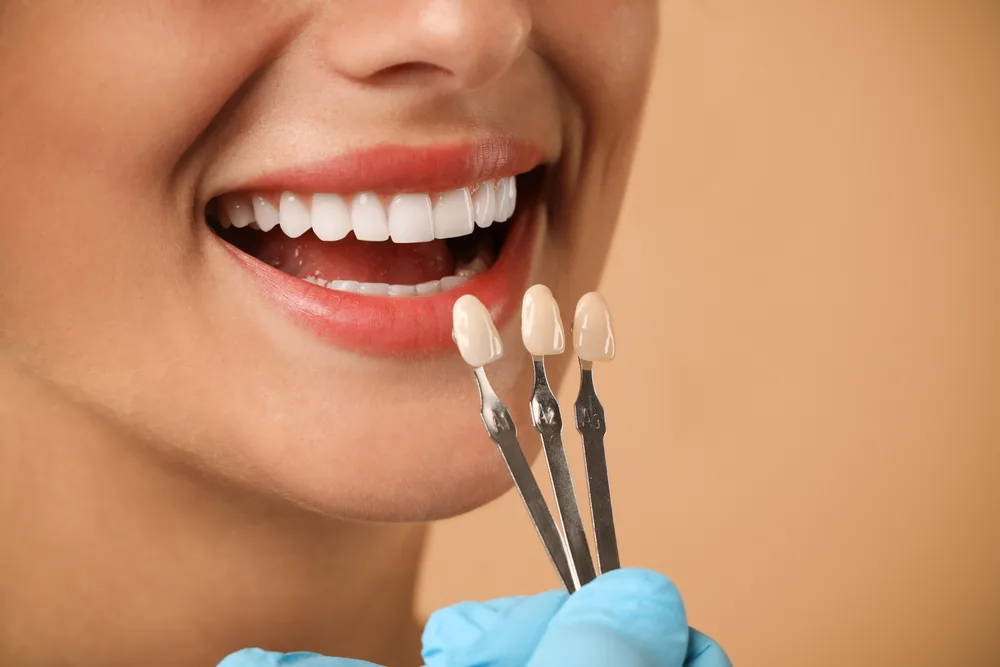
Veneers come in two materials, and the choice shapes cost, timeline, and lifespan. Composite is a tooth-colored resin sculpted onto the tooth in one visit, costing less and is faster. Porcelain, also called ceramic, is a lab-made shell bonded over about three visits, providing a more natural look and lasts longer.
Here is how composite veneers vs porcelain veneers compare.
What are veneers made of?
Veneers are typically made from either composite resin or porcelain, with each material offering distinct advantages in terms of cost, durability, and treatment time.
Composite veneers are crafted from a tooth-colored resin, similar to the material used for white fillings. The dentist applies, shapes, and bonds the resin directly to the teeth, often completing the treatment in a single appointment.
Porcelain veneers are ultra-thin, custom-made shells created from high-quality dental ceramic. After a digital scan of your teeth is taken, a dental laboratory fabricates the veneers, which are then bonded to the teeth during a follow-up visit.
Composite vs porcelain veneers: how they compare
The two materials differ across appearance, staining, lifespan, visits, and upkeep.
| Factor | Composite veneers | Porcelain / ceramic veneers |
|---|---|---|
| Material | Tooth-colored resin, sculpted directly onto the tooth | Dental ceramic shell, made in a lab from a digital scan |
| Appearance | Slightly matte, can be harder to blend across several teeth | Glassy translucency that reads like natural enamel |
| Stain resistance | Absorbs coffee, tea, and wine stains more readily | Resists staining well over the long run |
| Lifespan | A few years before refreshing | 10 to 15 years or longer with good care |
| Visits | Usually one visit | About three visits for design, preparation, and fitting |
| Upkeep | Periodic touch-ups and polishing | Normal brushing, flossing, and check-ups |
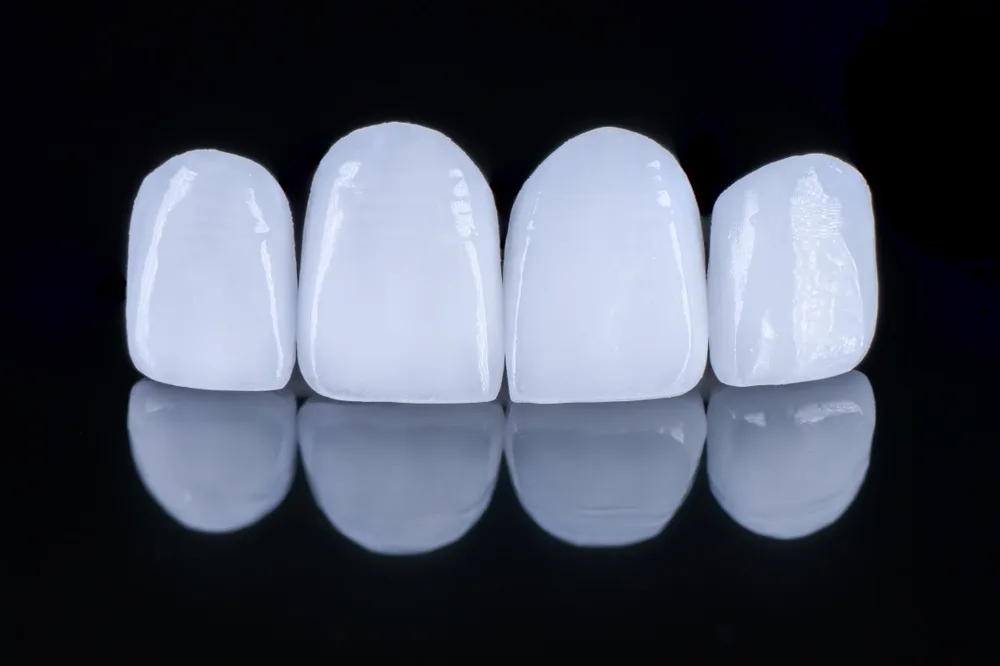
Up close, appearance and staining are where you notice the difference most. Porcelain holds its color and finish for years, while composite trades some of that longevity for a lower price and a faster result.
Are porcelain veneers better than composite?
Neither material is universally better. Porcelain wins on durability and stain resistance, while composite wins on upfront cost and speed. The right answer depends on what you are optimizing for.
- Longest-lasting result with the least maintenance: porcelain is generally the stronger long-term choice.
- Faster, lower-cost improvement, or minor teeth correction: composite is often the more practical place to start.
Worth knowing: choosing composite to save money today can mean paying for touch-ups or a full replacement sooner, which narrows the gap over several years. A good dentist will talk you through that trade-off.
How much do composite vs porcelain veneers cost?
Cost comes down to three things: how many veneers you need, the material, and how complex your smile design is. At SmileBox, prices for a direct composite veneer start at ฿5,000 (approx. USD 150) per tooth, and a porcelain or ceramic veneer start at ฿15,000 (approx. USD 445) per tooth.
The figures above should be viewed as indicative rather than a final quotation. The total cost can vary depending on the number of teeth being treated, the level of preparation required, and the complexity of your personalized smile design. This is why SmileBox provides a detailed, transparent treatment plan and quotation following a consultation or virtual assessment.
When comparing treatment options, it is important to consider long-term value as well as upfront cost. While composite veneers are generally more affordable initially, porcelain veneers often offer better cost-effectiveness over time due to their superior durability and longer lifespan.
Which veneer type fits your case?
The right material depends on your budget, timeline, and daily habits. A few patterns make the choice clearer.
- Tighter budget or want it done in one visit: composite is the practical starting point.
- Planning ahead and prioritizing longevity: porcelain is the stronger long-term choice.
- Heavy coffee, tea, or red wine drinker: composite will discolor faster, so porcelain holds its color better.
- Correcting just one or two teeth: composite is often enough, while a full smile makeover tends to suit porcelain.
For patients traveling for treatment, timing is another important consideration. Porcelain veneers typically require three appointments, which SmileBox can often complete within 4 to 5 days. However, we generally recommend allowing around a week in Bangkok to ensure there is sufficient time for any refinements or adjustments before returning home. Composite veneers, by contrast, can often be completed in a single visit, making them a convenient option for those with a tighter travel schedule.
The best way to determine which treatment is right for you is through a consultation combined with a Digital Smile Design preview. This allows you to visualize how each veneer option will look on your own teeth, helping you make a confident and informed decision based on both aesthetics and function.
Why choose SmileBox for composite or ceramic veneers
SmileBox works with both composite and ceramic veneers, so the recommendation you receive is matched to your teeth and goals. Co-founder Dr. Vikram Bhatia and the cosmetic team hold specific veneer training and handle both material types.
Before anything is bonded, Digital Smile Design uses 3D scans to preview your result, which lets you compare how composite and ceramic would each look on your smile. The ceramic shells are made with premium dental-lab materials, and preparation stays as conservative as the case allows.
The clinic is SHA Plus+ certified for its hygiene and safety standards. Our team is fluent in English and we provide virtual consultations, plus two Bangkok locations in Thonglor and Riverside to support patients planning from overseas.
Choosing the right veneer for your smile
When comparing composite veneers vs porcelain veneers, the ideal choice depends on your goals, budget, and expectations for longevity. Composite veneers are typically the more affordable option and can often be completed in a single appointment, making them popular for patients seeking a quick smile enhancement. Porcelain veneers, while requiring multiple visits, offer exceptional durability and can maintain their appearance for 10 to 15 years or longer with proper care. Ultimately, the best option is the one that aligns with your desired outcome and long-term investment.
If you're considering a smile transformation, SmileBox offers personalized veneer treatments tailored to your needs. Led by co-founder Dr. Vikram Bhatia, our cosmetic dentistry team works with both composite and porcelain materials, providing a Digital Smile Design preview so you can compare your options and visualize your new smile before treatment begins.
Compare your options for teeth veneers in Bangkok with our team today. Reach out to our team for a consultation, where you get a Digital Smile Design preview of composite and ceramic before choosing which fits your smile.
Contact SmileBox Dental Clinic
Phone : (+66)2-402-9542
WhatsApp : (+66)63-352-3691
Email : contact@smileboxclinic.com



References
- Dental Veneers. Retrieved November 2, 2026, from https://my.clevelandclinic.org/health/treatments/23522-dental-veneers
- Veneers. Retrieved November 2, 2026, from https://www.healthdirect.gov.au/veneers
- Veneers. Retrieved November 2, 2026, from https://www.mouthhealthy.org/en/az-topics/v/veneers
Frequently Asked Questions About Veneers
Veneers are made from one of two materials. Composite veneers use a tooth-colored resin, the same family as a white filling, sculpted directly onto the tooth. Porcelain or ceramic veneers are thin shells made from dental ceramic in a lab and bonded to the tooth later. Both change only the visible front surface of the tooth, not its inner structure. The material affects appearance, cost, and how long the result lasts.
Neither is better for everyone. Porcelain is more durable, resists stains, and commonly lasts 10 to 15 years or more, but it costs more and takes about three visits. Composite costs less, is usually finished in one visit, and can be repaired easily, but it stains and wears faster. Porcelain suits patients who want longevity, while composite suits a faster, lower-cost fix. A consultation helps match the material to your goals.
At SmileBox, a composite veneer starts at ฿5,000 (approx. USD 150) per tooth and a porcelain or ceramic veneer at ฿15,000 (approx. USD 445) per tooth. The final total depends on the number of teeth, any preparation needed, and how complex the smile design is. SmileBox confirms an exact breakdown after a consultation or virtual assessment, since every case is different.
Porcelain veneers commonly last 10 to 15 years or longer with good care and regular check-ups. Composite veneers hold up for a few years before they need refreshing or replacing, since the resin wears and stains more readily. Lifespan for either material depends on your bite, habits like grinding, and how well you maintain them. Avoiding hard objects and keeping up cleanings helps both last as long as possible.