Are Veneers Permanent and Do They Damage Teeth?
Key Takeaways
- Standard porcelain and ceramic veneers are permanent because placing them removes a thin layer of enamel, and enamel does not grow back.
- Veneers do not damage your teeth when a skilled dentist places them and you maintain them. Most damage traces back to poor preparation or neglect.
- The tooth change is permanent, but the veneer itself wears over time and eventually needs replacing.
- You can protect the teeth under veneers by brushing and flossing at the margin, avoiding hard objects, and keeping up regular cleanings.
- For standard veneers you cannot go back to normal teeth, so treat them as a long-term commitment rather than a trial.
- If you are weighing veneers in Thailand, a conservative, enamel-preserving approach protects the tooth you keep for the long term.
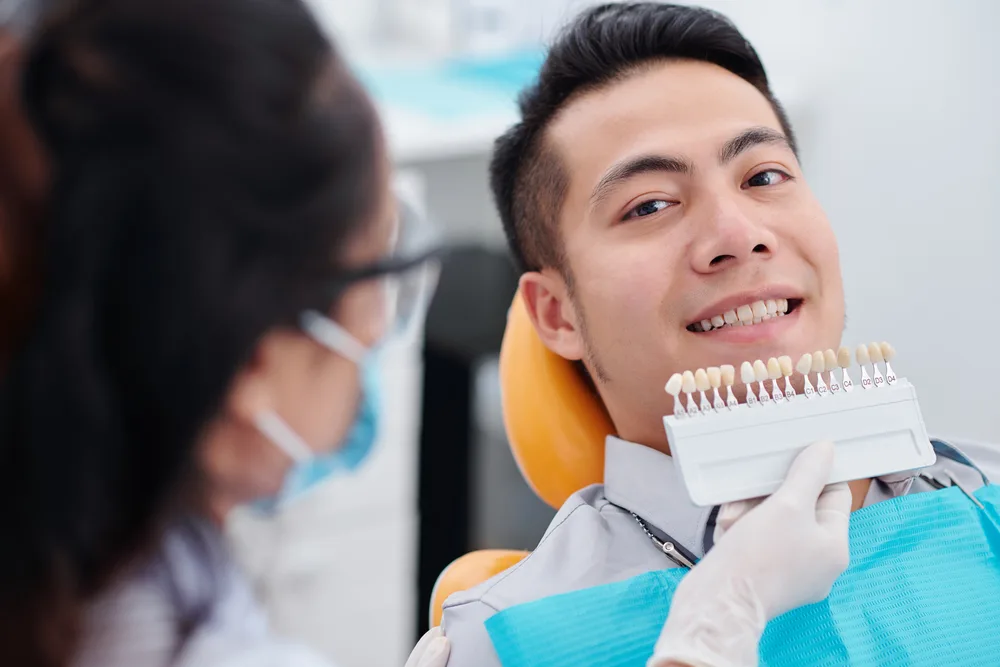
Standard porcelain veneers are permanent. Placing them removes a thin layer of enamel, and enamel does not grow back, so the tooth will always need a covering afterward. Still, that does not mean veneers damage your teeth. When done well and maintained, they protect the surface underneath. Here is what permanence actually means for your teeth.
Are veneers permanent, or can they be undone?
For patients researching composite veneers, one of the most common questions is whether the procedure is permanent. In many cases, composite veneers require minimal tooth preparation, but most veneer treatments involve some alteration to the enamel, making the process irreversible. An exception may be no-prep or minimal-prep veneers, which preserve most or all of the natural tooth structure, although these options are only suitable for selected patients and specific cosmetic concerns.
Traditional porcelain or ceramic veneers are permanent. Before bonding, the dentist prepares the tooth by removing a thin layer of enamel, often around half a millimeter. Enamel does not regenerate, so that tooth will always need a veneer or a similar covering from then on.
It is also important to distinguish between the treated tooth and the veneer itself. While the underlying changes made to the tooth are generally permanent, the veneer is not. Over time, composite veneers can experience wear, staining, or minor damage and may need maintenance, refurbishment, or replacement to maintain their appearance. Understanding this long-term commitment is an important part of deciding whether veneers are the right solution for your smile goals.
Do veneers damage your teeth?
No, not when a skilled dentist places them and you care for them properly. The small amount of enamel removed during preparation is a safe, well-established cosmetic step, and the ceramic shell then acts as a protective cover over the tooth.
The real risks come from poor execution or neglect. Too much enamel taken away, a veneer that fits badly, or margins that trap plaque can all lead to sensitivity or decay at the edges. For these reasons, an experienced cosmetic dentist should be chosen to handle the procedure. In the right hands, a veneer can even reinforce a chipped or worn tooth and restore its shape.
Most patients experience little to no discomfort during a veneer procedure, as a local anaesthetic is typically used to ensure a comfortable treatment experience during any necessary tooth preparation. After the appointment, mild sensitivity may occur, but this usually resolves quickly and does not interfere with normal daily activities.
For patients who grind or clench their teeth, a condition known as bruxism, dentists often recommend wearing a custom night guard. This protective appliance helps reduce pressure on the veneers, lowering the risk of chipping, cracking, or premature wear and supporting the long-term durability of your new smile.
How long do veneers actually last?
It depends on the material.
- Ceramic and porcelain veneers are made in a dental lab and bonded over about three visits. With good care and regular check-ups, they commonly last 10 to 15 years, and often longer.
- Composite veneers are sculpted directly onto the tooth in a single visit. They cost less upfront, but they wear faster, chip more easily, and pick up stains; they usually need refreshing or replacing within a few years.
Either way, no veneer lasts forever. Six-month check-ups help you get the full lifespan from either material.

Can you protect the teeth under your veneers?
Yes, by treating veneered teeth like natural ones. A few habits help the veneers themselves last.
- Brush and floss every day, paying attention to the margin where the veneer meets the tooth. Plaque left there can cause decay at the edge.
- Keep up regular cleanings and checkups with a dentist in Bangkok so any problem at that margin is caught early and still simple to fix.
- Avoid biting hard objects such as ice or pens, which can chip a veneer and stress the tooth beneath it.
One veneer-specific note: whitening products do not change veneer material. A brighter shade requires whitening before treatment instead of after.
Can you go back to normal teeth after veneers?
For standard porcelain or ceramic veneers, realistically no.
The enamel removed during preparation does not regenerate, so the tooth cannot return to its original, untouched state. If a veneer is removed and not replaced, the prepared tooth sits thinner and more exposed to sensitivity, which is why it generally needs a new veneer or a crown.
No-prep and minimal-prep veneers remove little or no enamel and can sometimes be reversed, but they work only for specific cases and are not the standard approach. Treat veneers as a long-term commitment to that tooth, not a trial that can be fully undone. That is also why the planning stage matters so much before any enamel is touched.
Why patients choose SmileBox for veneers
Permanence makes the preparation the most important part of the process, and SmileBox builds its veneer work around conservative, tooth-preserving technique. Co-founder Dr. Vikram Bhatia and the clinic's cosmetic team remove as little enamel as each case allows, protecting the natural tooth you keep for the long term.
Before any treatment begins, Digital Smile Design (DSD) technology uses advanced 3D scans and smile simulations to give you a realistic preview of your expected results. This allows you to review and approve the proposed tooth shape, proportions, and shade with confidence before any enamel preparation takes place, ensuring a personalized outcome that aligns with your aesthetic goals.
For added peace of mind, SmileBox is SHA Plus+ certified, reflecting its commitment to stringent hygiene, safety, and patient care standards. Our English-speaking dental team supports local and international patients alike, offering convenient virtual consultations for treatment planning before arrival. With modern clinics located in Thonglor and Riverside Bangkok, achieving your ideal smile is both accessible and convenient.
What permanence means before you decide
Standard veneers make a permanent change to the tooth surface because enamel does not grow back. The veneer does wear and get replaced over the years, while the prepared tooth keeps needing a cover, but veneers do not damage your teeth when a skilled dentist places them and you maintain them well.
Trust in the right dentist in Bangkok for this procedure. At SmileBox, our cosmetic team is led by co-founder Dr. Vikram Bhatia, and we plan every case around preserving natural tooth structure and showing you the outcome before treatment starts.
Discover your options for veneers in Thailand with us today. Talk to our team before deciding whether a full veneer plan or a smaller change like whitening suits your teeth. A consultation includes a Digital Smile Design preview, so you see your new smile before any enamel is touched.
Contact SmileBox Dental Clinic
Phone : (+66)2-402-9542
WhatsApp : (+66)63-352-3691
Email : contact@smileboxclinic.com



References
- Dental Veneers. Retrieved November 2, 2026, from https://my.clevelandclinic.org/health/treatments/23522-dental-veneers
- Veneers. Retrieved November 2, 2026, from https://www.mouthhealthy.org/en/az-topics/v/veneers
- Statement on Recent Reports of "Veneer Technicians". Retrieved November 2, 2026, from https://www.ada.org/en/about/press-releases/statement-on-recent-reports-of-veneer-technicians
Frequently Asked Questions About Veneers
Standard porcelain and ceramic veneers are permanent. Placing them removes a thin layer of enamel, usually around half a millimeter, and enamel does not grow back. That means the tooth will always need a veneer or similar covering. The veneer material itself is not permanent and gets replaced over the years. No-prep and minimal-prep veneers are the exception, since they remove little or no enamel and can sometimes be reversed.
Veneers do not damage your teeth when a skilled dentist places them and you look after them. The enamel removed is small, and the ceramic shell then protects the tooth surface. Problems usually come from poor preparation, a bad fit, or neglect at the margins, which is why choosing an experienced cosmetic dentist matters. Good daily hygiene and regular check-ups keep both the veneer and the tooth underneath healthy.
For standard veneers, no. The enamel removed during preparation does not regrow, so the tooth cannot return to its untouched state. If a veneer is removed and not replaced, the tooth is thinner and more sensitive, so it generally needs a new veneer or a crown. Only no-prep or minimal-prep veneers, which remove little or no enamel, can sometimes be reversed.
Most patients feel little or no discomfort. A local anesthetic is used during the preparation step, when a thin layer of enamel is shaped. Some mild sensitivity afterward is normal and usually settles within a few days. If you have concerns about comfort or dental anxiety, raise them at your consultation so the team can plan around them.