Is Teeth Whitening Safe? What Bangkok Patients Should Know
Key Takeaways
- Professional teeth whitening is generally safe for healthy teeth and gums when a dentist carries it out or supervises it.
- Common side effects are temporary tooth sensitivity and mild gum irritation, which usually settle within a day or two.
- LED light is a catalyst that speeds up the peroxide gel. The gel strength and contact time, not the light itself, decide the risk.
- Pregnancy, breastfeeding, active gum disease and worn enamel are reasons to postpone whitening until a dentist gives the go-ahead.
- Whitening done by a dentist includes a gum barrier and an exam first, which unsupervised kits do not have.
- If you are unsure whether whitening suits your teeth, a Bangkok dentist can check your gums and enamel and suggest a suitable option.
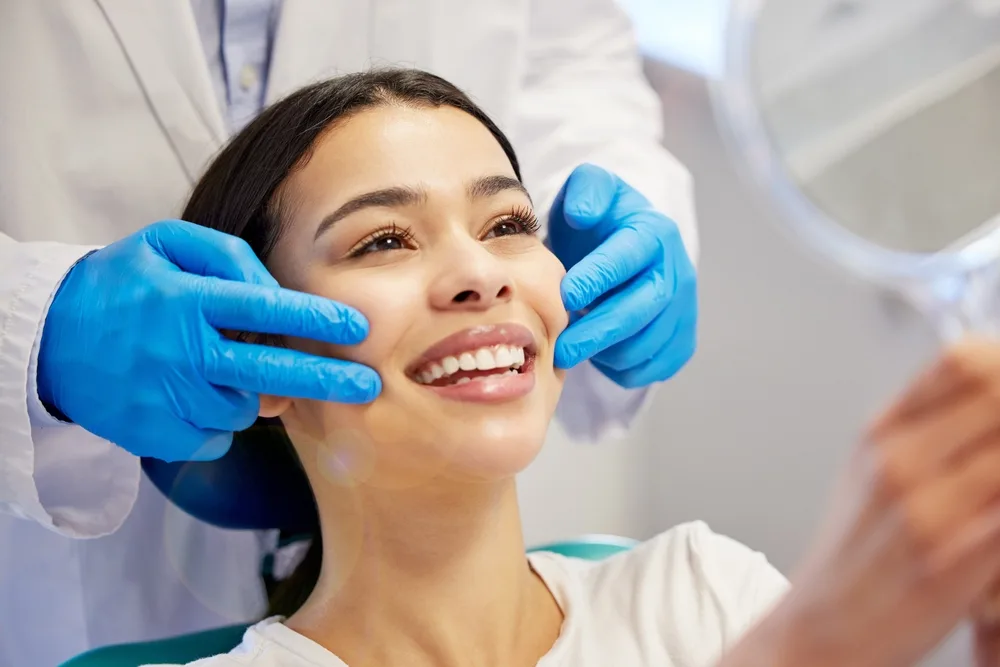
Professional teeth whitening is widely considered safe for healthy teeth and gums, provided it is carried out or supervised by a qualified Bangkok dentist. Most reported problems typically trace back to unsupervised, high-strength kits used at home without a proper dental exam. Ultimately, whether this treatment suits you comes down to the specific method, the strength of the bleaching gel, and the condition of your teeth and gums as evaluated at a trusted Bangkok dental clinic.
Why Professional Whitening Is Considered Safe
Is professional teeth whitening safe? For most healthy adults, treated by a dentist, the answer is yes. Professional whitening applies a peroxide gel, either hydrogen peroxide or carbamide peroxide, at a higher concentration than you get in a shop-bought kit, and is safely handled by a dentist.
Before any gel goes on, the dentist isolates your gums with a protective barrier to keep the peroxide off the soft tissue. Your dentist checks for decay and gum disease before any procedure, and holds off on whitening until anything active is treated.
Whitening done this way does not thin your enamel. The peroxide opens microscopic pores in the surface for a short time, and those pores close again within about two days.
In-Clinic Whitening vs At-Home Kits
In-clinic treatments and drugstore kits differ in control over three things: gel strength, gum protection, and supervision.
| Factor | In-clinic whitening | Custom take-home trays | Over-the-counter kit |
|---|---|---|---|
| Gel strength | Highest, dentist-controlled | Moderate, set by your dentist | Lowest, one-size |
| Gum protection | Barrier applied before the gel | Tray molded to your teeth | None |
| Supervision | Dentist watches the session | Dentist sets the plan, you apply at home | None |
| Exam first | Yes | Yes | No |
Clinical reviews link gum irritation most often to unsupervised over-the-counter kits, where there is no barrier and the gel tends to sit too long. The gel strength and the fit determine a comfortable result.
The Side Effects You Might Notice
Two side effects are common after whitening, and both are usually short-lived.
| Side effect | Why it happens | How long it usually lasts |
|---|---|---|
| Tooth sensitivity | The gel reaches the dentin, the layer under the enamel where the nerve endings sit | A day or two |
| Mild gum irritation | The gel has touched the gum tissue | A day or two |
A sensitivity toothpaste used before and after treatment reduces the effect for many patients, and your dentist can adjust the gel strength or timing if your teeth react.
Call your dentist for sensitivity that lasts more than a few days. It is usually nothing serious, but it can point to a crack or an exposed root that is better checked.
Where LED Whitening Fits In
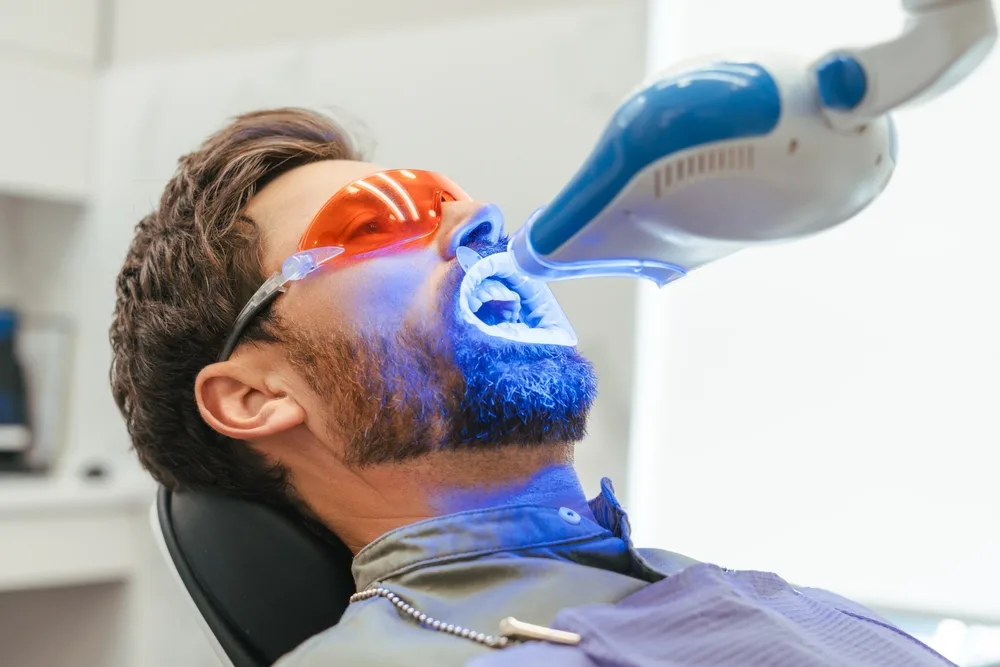
Is LED teeth whitening safe? In short, yes. The light carries the least risk of all. Clinics and most home kits use blue LED light, not UV, so there is no ultraviolet exposure to your gums or lips.
The light is not what whitens your teeth, but a catalyst that speeds up the peroxide reaction. Research is mixed on how much it adds over the gel on its own, so the gel, its strength and how long it stays on are the bigger safety priorities.
For sensitive teeth, gum recession or worn enamel, treat an LED system with the same caution as any gel treatment. Have a dentist look first, whether the light comes with an in-clinic session or a kit you use at home.
When It Is Better to Wait
Professional whitening is low-risk for most healthy adults. Hold off for certain situations:
| Situation | Why it is better to wait |
|---|---|
| Pregnancy or breastfeeding | Limited data on how much peroxide the body absorbs, so elective whitening is usually postponed |
| Active gum disease or untreated decay | The gel can irritate inflamed or infected tissue, so these are treated first |
| Worn or thin enamel | Higher chance of sensitivity, so your dentist decides the approach |
Can I whiten while pregnant? There is no clear proof of harm, but because the data on peroxide absorption during pregnancy is limited, most dentists suggest postponing elective whitening until after pregnancy and breastfeeding.
Why Choose SmileBox for Safe Teeth Whitening in Bangkok
For healthy adults, professional whitening supervised by a dentist is generally safe, with temporary sensitivity and mild gum irritation as the usual trade-offs. Pregnancy, gum disease and worn enamel are the main reasons to hold off on it till a later time.
The right clinic matters as much as choosing the right treatment. At SmileBox, whitening starts with a check. Our dentists look at your teeth and gums first, then tell you whether in-clinic whitening is right for you and what to expect from it. We inform you if something else should be treated first.
- Supervised care: Our dentists monitor the whole session and adjust the gel to keep you comfortable and reduce the chance of sensitivity.
- SHA Plus+ certified: Our clinics meet the SHA Plus+ hygiene and safety standard as part of maintaining strict hygiene and international infection-control standards.
- Comfort for nervous patients: Stay relaxed during treatment with our virtual reality headsets.
- Multilingual care: Our English-speaking dentists ensure clear communication for international visitors through treatment and aftercare.
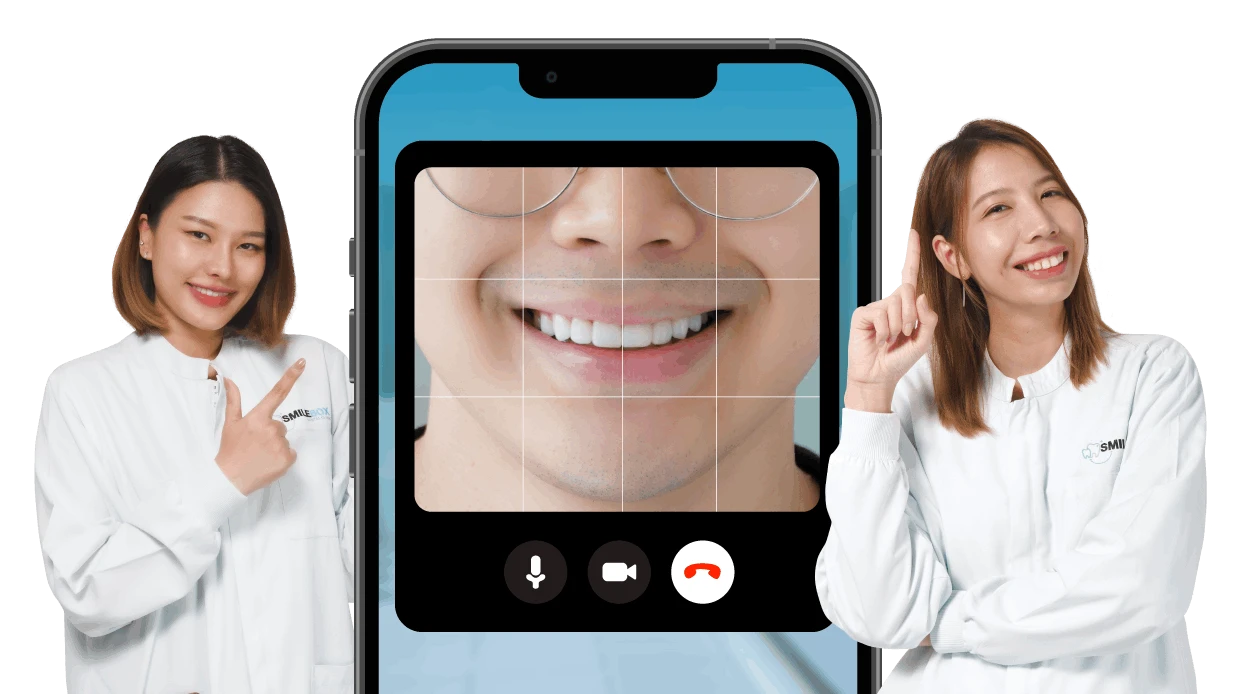
Explore our in-clinic Zoom teeth whitening options before you decide anything. If you are overseas, you can speak with our team through a virtual consultation before you travel to Bangkok, where we have two clinics in Thonglor and Riverside.
Join the many patients who have enjoyed professional, dentist-supervised whitening at SmileBox. Book a free whitening consultation with a Bangkok dentist at SmileBox today. A short consultation confirms whether in-clinic or LED whitening is the right call for your teeth and gums.
Results may vary from person to person. Please have a doctor's assessment before treatment.
Contact SmileBox Dental Clinic
Phone : (+66)2-402-9542
WhatsApp : (+66)63-352-3691
Email : contact@smileboxclinic.com


References
- Safety Issues of Tooth Whitening Using Peroxide-Based Materials. Retrieved November 13, 2026, from https://www.nature.com/articles/sj.bdj.2013.629
- Blue Light Teeth Whitening: Is It Safe, and Does It Work? Retrieved November 13, 2026, from https://www.healthline.com/health/dental-and-oral-health/blue-light-teeth-whitening
- Teeth Whitening When Pregnant: Is It Safe? Retrieved November 13, 2026, from https://www.colgate.com/en-us/oral-health/oral-care-during-pregnancy/teeth-whitening-when-pregnant-is-it-safe
- How Long Does Teeth Whitening Last? Retrieved November 13, 2026, from https://www.aspendental.com/dental-care-resources/how-long-does-teeth-whitening-last/
- Post-Operative Instructions for Teeth Whitening. Retrieved November 13, 2026, from https://artsmiles.com.au/articles/post-operative-instructions-for-teeth-whitening
Frequently Asked Questions About Teeth Whitening
For most healthy adults, yes, when a dentist carries it out or supervises it. The dentist uses a gum barrier, checks for decay and gum disease first, and controls the gel strength and timing. The usual side effects are short-term tooth sensitivity and mild gum irritation, which settle within a day or two. Problems are far more common with unsupervised, high-strength kits used without an exam. If you have healthy teeth and gums, professional whitening is considered a low-risk cosmetic treatment.
Professional whitening usually lasts about one to three years, though it varies from person to person. Coffee, tea, red wine and smoking dull the result faster, while good brushing and regular cleanings help it hold. Rather than repeating a full treatment too soon, your dentist may suggest an occasional touch-up to keep the shade up.
For the first 48 hours, teeth pick up color easily, so keep to pale foods and drinks and avoid coffee, tea, red wine, dark sauces and berries. Skip smoking during this window, since it stains quickly. If you do have a staining drink, use a straw and rinse with water afterward. A desensitizing toothpaste helps with any short-term sensitivity, and normal brushing, flossing and check-ups keep the result going.
It depends on the method you choose. SmileBox’s in-clinic teeth whitening with the Zoom system, for upper and lower teeth, is priced at ฿15,000 (approx. USD 450). Take-home bleaching options range from ฿1,200 to ฿5,500 (approx. USD 36 to USD 165), depending on the kit and the number of gel syringes. The right option for you depends on your teeth and the result you are after, so your dentist confirms the final plan and cost after a consultation or virtual assessment. View our pricing list to help make your decision.
Most dentists and obstetricians suggest waiting. There is no clear evidence that whitening harms a pregnancy, but there is not enough data on how much peroxide the body absorbs through the gums during this time. Because whitening is elective, the common advice is to postpone it until after pregnancy and breastfeeding. In the meantime, regular cleanings and good daily brushing help keep your teeth looking their brightest. Your dentist can plan the treatment for after your baby arrives.