What Causes Bad Breath & How to Get Rid of It Permanently
Key Takeaways
- Most bad breath traces back to oral causes: bacteria on the tongue, plaque buildup, gum disease or dry mouth.
- Quick fixes like mouthwash and gum only mask the odor temporarily. Lasting results require treating the root cause.
- Preventing bad breath can be done with consistent daily habits, including brushing, flossing, tongue cleaning and staying hydrated.
- If bad breath persists for two or more weeks despite good oral hygiene, see a dentist to rule out gum disease or infection.
- SmileBox Dental Clinic offers full halitosis evaluations, professional cleanings and specialist gum treatment at a trusted dental clinic in Bangkok.

Roughly one in four people deal with bad breath on a regular basis. Most attempt to manage it with mouthwash, mints, or gum, while others steer clear of the subject, hoping it goes unnoticed. Persistent bad breath usually indicates an oral issue, which is generally treatable.
The problem is that masking the odor doesn’t solve its underlying cause. Bad breath is primarily caused by bacteria, plaque, gum disease, and dry mouth, and there are specific treatments for each.
Here’s what to know about what causes bad breath, what you can do about it right now, how to keep it from coming back and when it is time to see a Bangkok dentist for professional help.
What causes bad breath?
The vast majority of bad breath starts in the mouth. Bacteria break down food particles left on your teeth, gums and tongue, producing volatile sulfur compounds that smell unpleasant. That process speeds up when oral hygiene declines or when the mouth’s conditions let bacteria grow.
Here are the most common culprits:
- Plaque and tartar buildup. Bacteria trapped in hardened plaque cannot be brushed away. And the longer it sits, the stronger the odor.
- Gum disease. Infected periodontal pockets harbor bacteria that produce persistent, noticeable odor. This is one of the top causes of chronic bad breath.
- Tongue coating. The rough surface at the back of the tongue collects bacteria, dead cells and food debris. Many people brush their teeth but skip the tongue entirely.
- Dry mouth. Saliva naturally rinses bacteria. When production drops, whether from medications, mouth breathing or dehydration, bacteria thrive, and this is why morning breath is so common.
Smoking, strong-smelling foods like garlic and onions, and unhygienic dentures or aligners are other contributing factors. Medical conditions such as acid reflux, sinus infections, or uncontrolled diabetes are less common but still possible causes.
How to get rid of bad breath: quick fixes vs. lasting solutions
Bad breath can be kept at bay, but not all solutions are equal. Some work only for a short while.
Quick fixes that help right now:
- Brush thoroughly for two minutes, clean your tongue with a scraper and floss to remove trapped food.
- Drink water to rinse bacteria and stimulate saliva. Sugar-free xylitol gum gives a temporary boost between meals.
- Use an antibacterial mouthwash as a short-term freshener, not a replacement for brushing and flossing.
Lasting solutions that address the cause:
- Professional dental cleaning removes plaque and tartar that home care misses. For many patients, a single scaling appointment makes a dramatic difference.
- Treat underlying dental problems. Cavities, gum disease and infections are ongoing odor sources until a dentist addresses them directly.
- Address dry mouth or non-dental causes with your dentist or physician if daily hygiene alone is not enough.
Typically, temporary solutions offer a brief respite, but the effective long-term strategy is to address the root cause of the issue.
How to get rid of bad breath permanently
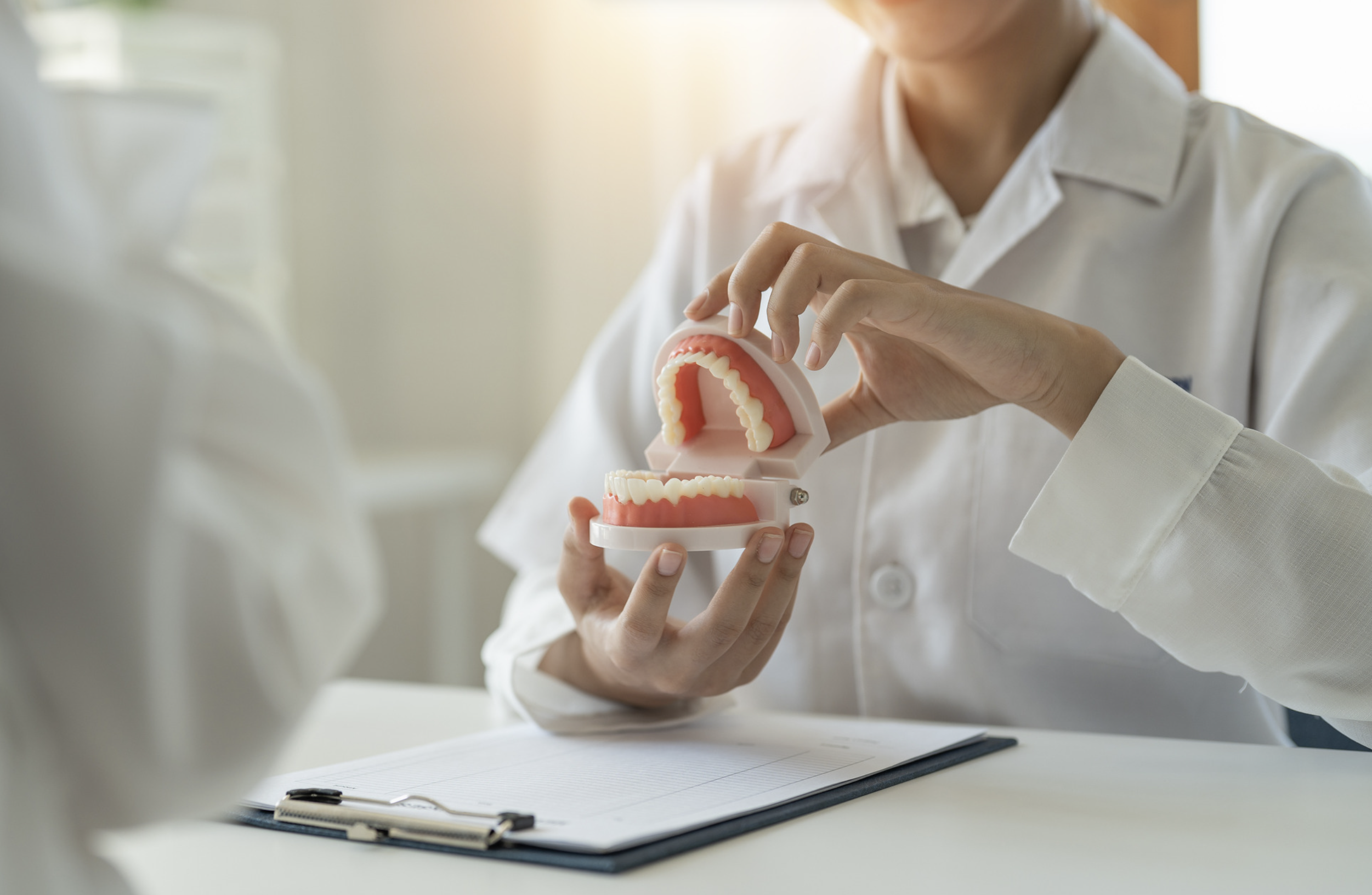
"Permanently" means treating the root cause, not masking odor with mints or sprays. Here is what that looks like depending on the source of the problem.
- Gum disease: scaling and root planing clears bacteria from periodontal pockets and allows the gums to heal. Without this step, the infection keeps producing odor no matter how well you brush.
- Untreated cavities or infections: these need fillings, root canals or extractions to eliminate the bacterial source. A tooth with active decay will essentially generate a permanent odor until it is treated.
- Chronic dry mouth, tonsil stones, acid reflux or sinus issues: a long-term management plan with your dentist or a specialist referral may be needed.
It’s also important to note that proper treatment of bad breath needs to be combined with consistent daily hygiene. That combination is the only reliable way to keep bad breath from returning.
How to prevent bad breath in your daily routine
Prevention comes down to consistency. The habits are simple, but they need to happen every day.
Brush twice daily with fluoride toothpaste, floss once daily and clean your tongue every time you brush. Most people skip the tongue, but that is a mistake, because the tongue's rough surface is one of the biggest bacterial reservoirs in your mouth.
Make sure to drink plenty of water all day, particularly after eating and upon waking. Additionally, stay away from tobacco and cut down on sugary snacks that nourish bacteria. Daily cleaning of aligners, dentures, or retainers is essential.
And visit your dentist for a checkup and professional cleaning at least every six months. That appointment catches problems you cannot see or feel yet.
When to see a dentist about bad breath
See a dentist if bad breath persists for two or more weeks despite good oral hygiene. Occasional bad breath after certain foods is normal, but chronic odor that does not respond to brushing, flossing and tongue cleaning is a sign that something deeper is going on.
This applies to other warning signs as well, such as bleeding, swollen, or receding gums, a continuous bad taste in your mouth, teeth that are loose, or discomfort when chewing. Any of these, along with bad breath, indicate gum disease or infection requiring professional care.
A dentist can perform a full oral exam, check for gum disease, evaluate soft tissues and create a treatment plan specific to your situation. For instance, SmileBox offers detailed consultations, including virtual appointments for overseas patients, with full transparency on every treatment option and cost.
Why choose SmileBox Dental Clinic for bad breath treatment
At SmileBox Dental Clinic, we start every bad breath case with a full halitosis evaluation, covering gum assessment, X-rays and oral screening all under one roof. If plaque or gum disease is the cause, our team provides professional scaling and specialist periodontal treatment to clear the source directly.
Our diagnostic setup includes digital X-rays, 3D CBCT imaging and iTero intraoral scanners, so we can identify exactly what is driving the problem before recommending treatment. We are SHA Plus+ certified with strict sterilization protocols, and our pricing is fully transparent with no hidden fees.
Moreover, our multilingual team speaks English, Thai, Japanese, Arabic, Mandarin and Hindi. We have two Bangkok locations, Thonglor (Sukhumvit) and Riverside (Ratchapruek), and we offer virtual consultations for patients planning from abroad.
Fresh breath starts with the right care
Most bad breath traces back to oral causes like plaque buildup, gum disease, tongue coating or dry mouth. While it might feel distressing, every one of these is treatable with the right combination of daily hygiene and professional dental care. By identifying and addressing the root cause, getting rid of bad breath permanently is definitely achievable.
Book a consultation at SmileBox Dental Clinic, your trusted dental clinic in Bangkok, and let an experienced Bangkok dentist help you find and fix the cause for good. We offer halitosis evaluations, professional cleanings and specialist gum treatments under one roof.
Contact SmileBox Dental Clinic
Phone : (+66)2-402-9542
WhatsApp : (+66)63-352-3691
Email : [email protected]



References
- Bad breath (halitosis). Retrieved 19 June 2026, from https://www.mayoclinic.org/diseases-conditions/bad-breath/symptoms-causes/syc-20350922
- Halitosis: From diagnosis to management. Retrieved 19 June 2026, from https://www.ncbi.nlm.nih.gov/pmc/articles/PMC3633265/
- Gum Disease Information. Retrieved 19 June 2026, from https://www.perio.org/for-patients/gum-disease-information/
Frequently Asked Questions About Bad Breath
The most common causes of bad breath are oral: bacteria breaking down food particles on teeth and the tongue, plaque and tartar buildup, gum disease and dry mouth. These produce volatile sulfur compounds that cause noticeable odor. Less common causes include acid reflux, sinus infections, tonsil stones and uncontrolled diabetes. A Bangkok dentist can identify the specific cause through a full oral exam and recommend the right treatment.
For a quick fix, brush your teeth thoroughly for two minutes, scrape your tongue, floss and drink water. Sugar-free xylitol gum stimulates saliva temporarily. Antibacterial mouthwash helps as a short-term freshener. These steps reduce bacteria and odor momentarily. For lasting results, you need professional cleaning to remove tartar and treatment for any underlying dental issues like cavities or gum disease.
Getting rid of bad breath permanently means treating the root cause, not masking it. If gum disease is the driver, scaling and root planing clears bacteria from periodontal pockets. Untreated cavities need fillings or root canals. Chronic dry mouth may need a long-term management plan. Combine professional treatment with consistent daily hygiene, brushing, flossing and tongue cleaning, and the odor stays gone. At SmileBox Dental Clinic Bangkok, we offer full halitosis evaluations to pinpoint the cause.
Brush twice daily with fluoride toothpaste, floss once daily and clean your tongue every time you brush. Stay hydrated, especially after meals and upon waking. Avoid tobacco and limit sugary snacks. Clean aligners, dentures or retainers daily. Visit your dentist for a checkup and professional cleaning every six months. This routine removes the bacteria and conditions that cause bad breath before they become a problem.