What Is a Full-Mouth Dental Rehabilitation? Understanding the Step-by-Step Process
Key Takeaways
- A full-mouth rehabilitation is a single coordinated plan to restore most or all of the teeth across both jaws, not a series of separate repairs.
- It can combine implants, crowns, veneers, and bite correction, tailored to each patient's needs.
- Unlike a smile makeover, it restores function (bite, chewing, jaw comfort) as well as appearance.
- Treatment is staged over several months, often with temporary teeth fitted while permanent ones are made.
- A dentist at SmileBox Dental Clinic assesses your teeth, gums, and bite before recommending a personalized plan.
A full-mouth dental rehabilitation involves repairing several damaged, missing, or worn teeth at the same time, because fixing them one by one does not always address the underlying problem. A full-mouth rehabilitation is a single, coordinated plan to rebuild the teeth, bite, and function across both jaws. This guide explains what the treatment involves, who it suits, and what to expect, so you can talk to a dentist in Bangkok with a clear idea of your options.
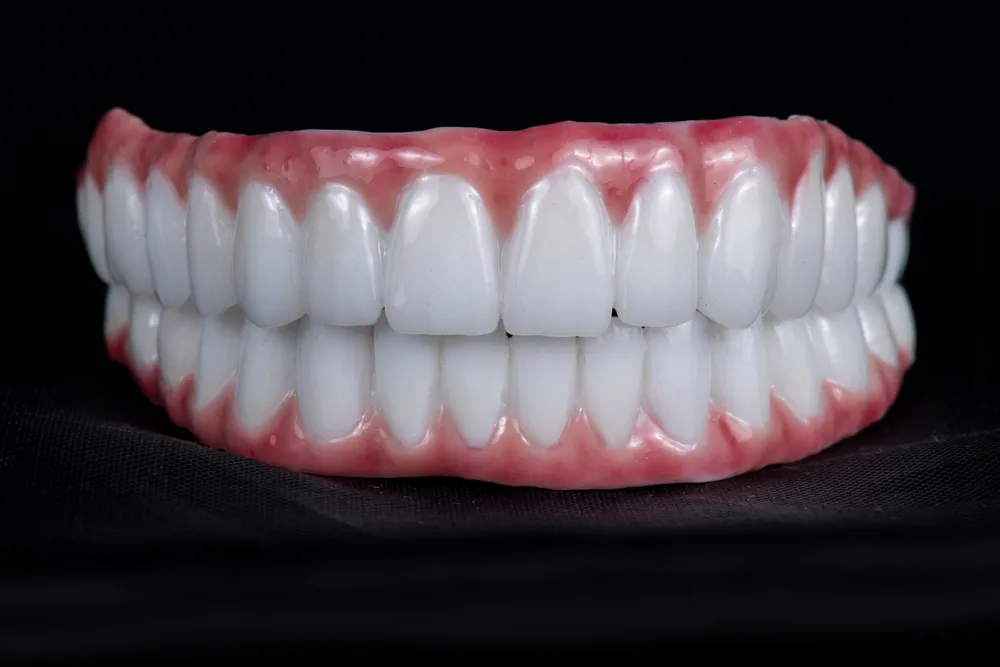
What Does a Full-Mouth Rehabilitation Involve?
Full-mouth rehabilitation is a treatment plan that restores most or all of the teeth in the upper and lower jaws, using multiple procedures together rather than a single fix. It can involve dental implants, crowns, veneers, and bite adjustment, depending on each patient's needs.
It is not the same as a smile makeover. A smile makeover is usually cosmetic first, focused on how your teeth look. A full-mouth rehabilitation also addresses function: your bite, how you chew, and jaw comfort, and is concerned about how your mouth works day to day.
Who Might Need a Full-Mouth Rehabilitation?
This kind of treatment usually suits people dealing with more than one problem at once. Candidates may have:
- Several missing, decayed, or heavily worn teeth
- Ongoing jaw pain, bite problems, or teeth that have shifted over time
- A history of multiple individual repairs that never resolved the underlying issue
At SmileBox Dental Clinic, our dentists assess the full picture before recommending a full-mouth rehabilitation, since the right plan depends on the condition of each tooth, your gums, and your bite.
The Full-Mouth Rehabilitation Process, Step by Step
Every case is different, but the process generally follows a clear sequence:
- Step 1: Initial consultation and exam, reviewing your bite, gum health, and each tooth individually.
- Step 2: Diagnostic records, such as X-rays, scans, or impressions, to see the full picture before treatment starts.
- Step 3: Treatment planning, deciding which combination of implants, crowns, veneers, or bite correction fits your case.
- Step 4: Staged treatment, usually completed in phases rather than one visit, especially where healing time is needed.
- Step 5: Fitting and adjustment, checking your bite, comfort, and appearance before anything is finalized.
- Step 6: Final results and follow-up, with ongoing check-ups to protect the outcome.
What to Expect During Treatment
Surgical steps are done under local anesthetic. Because the work happens in stages, a temporary set of teeth, called provisional teeth, is common while the permanent pieces are made. Expect several dental visits spread over weeks or months, depending on your plan and how much healing time is involved. Your dentist will walk you through the timeline for your own case.
Why Patients Choose SmileBox Dental Clinic for Full-Mouth Care
A full-mouth case depends on careful planning and a team that can coordinate every stage. At SmileBox Dental Clinic, the practice is led by Dr. Vishesh Bhatia and Dr. Vikram Bhatia, with a few specifics behind their work:
- Digital treatment planning. 3D CBCT scanning is used to map a full-mouth case before any procedure begins.
- An experienced clinical team. Our dental team coordinates multi-step cases, which shapes the sequencing of a full-mouth plan.
- Implant systems from Swiss and Korean manufacturers.
- Virtual reality anxiety management. For anyone nervous about longer or staged treatment, VR support is available.
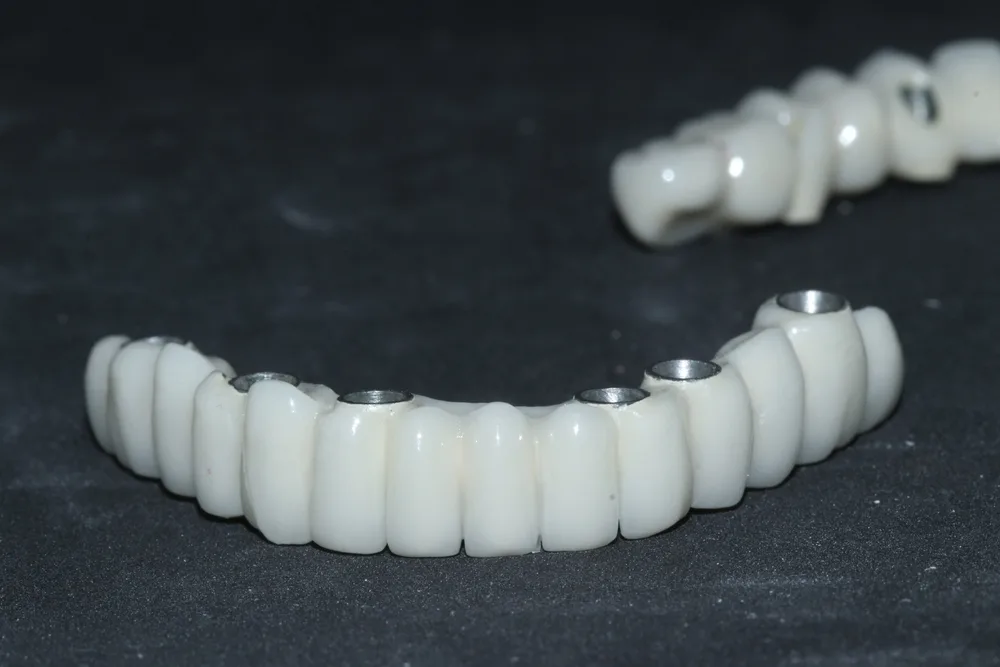
If you are looking for full-mouth care, talk to a dentist at SmileBox Dental Clinic in Bangkok about a plan built around your own mouth. We will develop a full-mouth rehabilitation plan built around what each tooth and your bite actually need. Done in the right order, it can restore both how your mouth works and how your smile looks, depending on your case. Consult the dentists at SmileBox Dental Clinic for an assessment and a personalized treatment plan.
Contact SmileBox Dental Clinic
Phone : (+66)2-402-9542
WhatsApp : (+66)63-352-3691
Email : contact@smileboxclinic.com



References
- Occlusal Concepts in Full Mouth Rehabilitation: An Overview. Retrieved on 17 November 2026 from https://pmc.ncbi.nlm.nih.gov/articles/PMC4257939/
- Full Mouth Rehabilitation of a Complex Wear Case, the Digital Approach. Retrieved on 17 November 2026 from https://www.styleitaliano.org/full-mouth-rehabilitation-of-a-complex-wear-case-the-digital-approach/
- Full Mouth Rehabilitation Using Advanced Concepts with an Interdisciplinary Approach. Retrieved on 17 November 2026 from https://pmc.ncbi.nlm.nih.gov/articles/PMC12208233/
Frequently Asked Questions About Full-Mouth Rehabilitation
A full-mouth rehabilitation is a single coordinated plan to restore most or all of the teeth in both the upper and lower jaw, using more than one procedure together rather than fixing teeth one by one. It can combine dental implants, crowns, veneers, and bite correction, tailored to your mouth's needs. The goal is to restore both how your teeth work and how they look.
The process usually runs in order: an initial consultation and exam, then diagnostic records such as X-rays, scans, or impressions, followed by a treatment plan. Treatment is carried out in stages, often with temporary teeth fitted while the permanent restorations are made. Each stage is checked and adjusted for bite and comfort, and the final results are protected with ongoing follow-up visits. Your dentist sets the exact sequence and timeline for your case.
It varies with the case. Because treatment is staged and some steps require healing time, a full-mouth rehabilitation often spans several months rather than a single visit. Your dentist maps out a timeline after assessing your teeth, gums, and bite.
No. A smile makeover is usually cosmetic first, focused on appearance. A full-mouth rehabilitation also restores function, such as your bite and how you chew, and may combine implants, crowns, veneers, and bite correction depending on the case. Results depend on each individual’s condition and the dentist’s assessment. Please have a dentist’s assessment before treatment.
Surgical steps are carried out under local anesthetic, so most people feel pressure rather than sharp pain. Some soreness afterward is normal and usually manageable with the plan your dentist provides. Tell your dentist if you feel anxious, as there are options available to help you stay comfortable.
In most cases, yes. A temporary set of teeth, called provisional teeth, is often fitted while the permanent restorations are being made, so you are not left without teeth during healing. Your dentist will explain what applies to your plan.